
By Muhammad Bashir
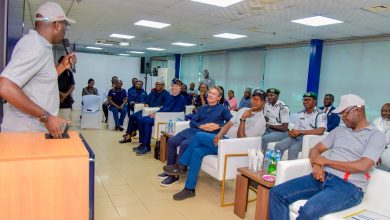
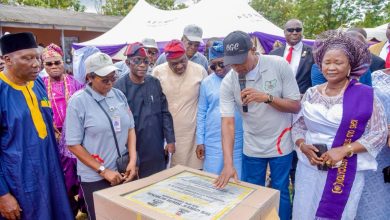
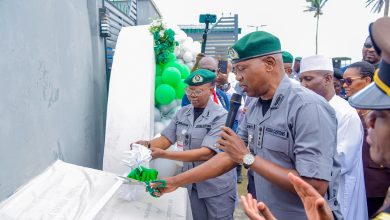
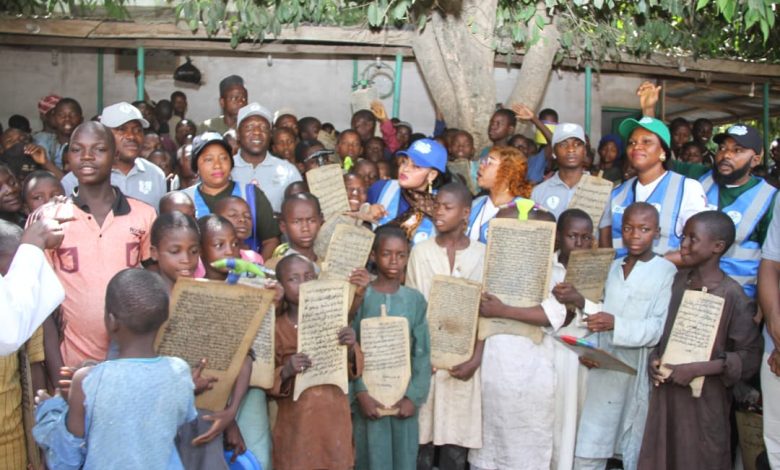
Hundreds of ‘tsangaya’ children in Kano received humanitarian support on Friday, 15 May 2026, as the Nigeria Customs Service partnered the Bella Amor Global Aid Foundation to launch a welfare and skills empowerment programme for vulnerable pupils across selected Tsangaya schools in the state.
The intervention, held at the headquarters of the Kano/Jigawa Area Command, featured the distribution of food items, clothing materials, and other items to beneficiaries. Organisers also unveiled plans for mentorship programmes, educational support, vocational training, and infrastructure development for the children.
Delivering the keynote address, the Zonal Coordinator, Zone B, Assistant Comptroller-General of Customs, Nsikan Umoh, described the initiative as a strategic intervention aimed at restoring hope, dignity, and opportunities for vulnerable children in society.
ACG Umoh disclosed that the partnership between the Nigeria Customs Service (NCS) and the Bella Amor Global Aid Foundation would support the distribution of thousands of kaftans and feeding materials to over 5,000 pupils across five selected Tsangaya schools in Kano State.
She reaffirmed the Nigeria Customs Service’s commitment to programmes that promote education, inclusion, and sustainable community development nationwide.
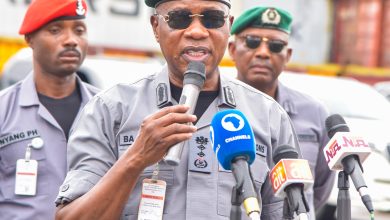
Speaking during the flag-off ceremony, the Acting Customs Area Controller of the Kano/Jigawa Area Command, Deputy Comptroller of Customs Usman Adamu, described the initiative as part of the Nigeria Customs Service’s commitment to inclusive community development and social responsibility.
According to him, the intervention goes beyond humanitarian donations, stressing that the programme was designed to restore dignity, encourage learning, and create opportunities for vulnerable children often overlooked in society.
“This programme is not just about distributing food or materials. It is about investing in the future of these children and reminding them that society still cares about their dreams and aspirations,” DC Adamu said.
Speaking on behalf of the Comptroller in charge of the Corporate Social Responsibility Unit, Assistant Comptroller of Customs, Faisal Garba, said the initiative aligns with the Customs Cares programme introduced under the leadership of the Comptroller-General of Customs, Adewale Adeniyi.
He explained that the Customs Cares initiative focuses on critical areas, including education, food security, healthcare, social investment, and environmental sustainability.
Garba disclosed that the Service had continued to expand humanitarian interventions across communities nationwide, adding that the Kano outreach was specifically designed to support the learning environment and welfare needs of ‘tsangaya’ students.
He also recalled previous humanitarian collaborations between the Nigeria Customs Service and the Bella Amor Global Aid Foundation in Akwa Ibom State.
In her remarks, the President of the Bella Amor Global Aid Foundation, Mirabel Etuk, commended the Nigeria Customs Service for sustaining humanitarian partnerships capable of impacting vulnerable communities across the country.
She stated that the Foundation remains committed to child welfare advocacy, anti-drug abuse campaigns, and educational support programmes, noting that the partnership with Customs had continued to create meaningful opportunities for disadvantaged children.
Etuk further disclosed that the collaboration also provided an avenue for launching the Boy Child Learning Matter Initiative in Kano State.
Also speaking, the Special Adviser on Tsangaya Education, Alhaji Musa Falaki, described the programme as a timely intervention capable of opening educational and vocational opportunities for vulnerable children across the state.
Similarly, the Chairman of the Association of Nigerian Licensed Customs Agents, Alhaji Hafiz Ridwan, applauded the Nigeria Customs Service for extending its humanitarian interventions beyond its statutory responsibilities.
The stakeholders called for stronger collaboration among public institutions, development partners, and community leaders towards addressing the welfare challenges facing vulnerable children.