Customs Drives Compliance, Sensitises Stakeholders on B’Odogwu Digital System

Author: Bimpe Audu.
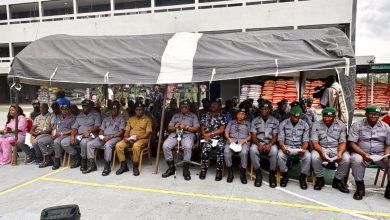
In a deliberate move to strengthen compliance and improve operational efficiency, the Federal Capital Territory (FCT) Area Command of the Nigeria Customs Service (NCS) has conducted a comprehensive sensitisation programme for stakeholders on the B’Odogwu system.

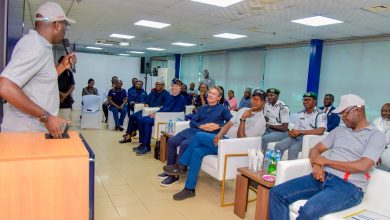
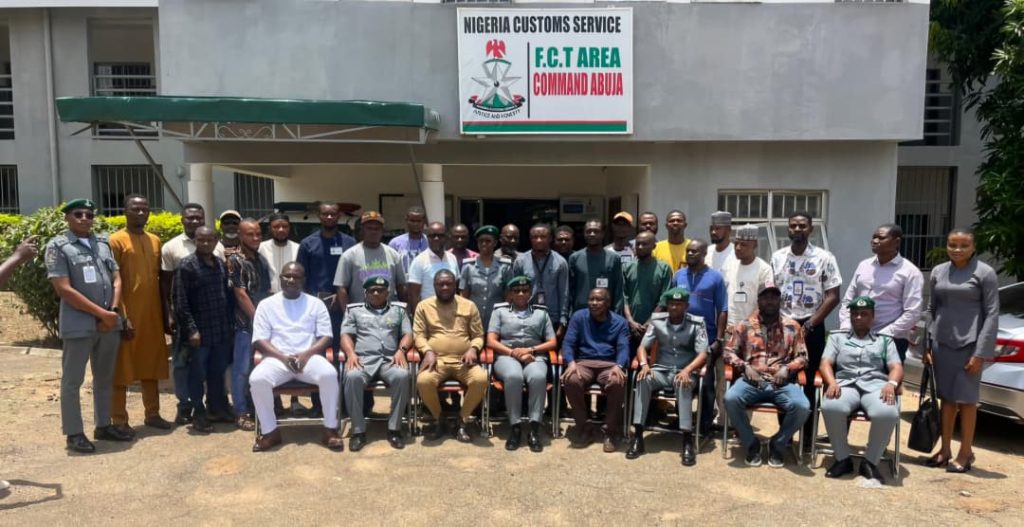
The session, held on Tuesday, 28 April 2026, at the Command’s Conference Hall, brought together key players in the cargo clearance value chain, including licensed customs agents, importers, and other stakeholders. The engagement focused on deepening participants’ understanding of procedure codes, declaration processes, and documentation requirements essential to the effective use of the B’Odogwu platform.
Addressing participants, the Customs Area Controller, Comptroller Chinwe Aliboh, underscored the importance of accuracy in data reporting and its wider implications for national policy formulation and operational effectiveness across government agencies.
“Data plays a key role in policy formulation across agencies, and it is essential that stakeholders ensure truthful and precise declarations while avoiding vague descriptions,” she said. “Consistent participation in sensitisation programmes such as this will enhance compliance and improve operational efficiency within the system.”
She further explained that the B’Odogwu system represents a key reform aimed at modernising customs operations, reducing delays, and promoting transparency in cargo processing. According to her, stakeholders must take full responsibility by adhering strictly to procedures and ensuring accurate documentation at all times.

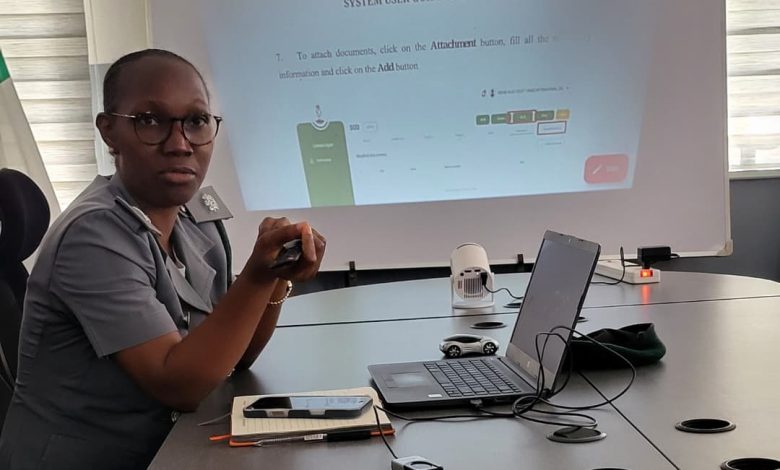
The programme featured detailed technical presentations by officers of the Command, who broke down the operational framework of the B’Odogwu system. Key areas covered included the proper application of procedure codes, the proper classification of goods, and the requirements for complete and compliant documentation.
Participants were also guided through common challenges in cargo processing, including errors in declarations, misuse of procedure codes, and incomplete documentation. Practical solutions and best practices were provided to help reduce delays and improve efficiency in cargo clearance procedures.
The interactive session allowed stakeholders to engage directly with Customs officers, ask questions, and share operational experiences, further strengthening collaboration between the Service and the trading community.
In his closing remarks, the Deputy Comptroller (Administration), Louis Ettum, appreciated the participants’ engagement and encouraged them to deepen their understanding of procedure codes and documentation processes.
He noted that improved compliance would significantly enhance efficiency in Customs operations and contribute to smoother trade facilitation within the Command.