Nigeria Customs Strengthens Global Security Ties at DSA 2026 in Kuala Lumpur

…As CGC Adeniyi calls for Shift From Isolated Responses to Coordinated Action
Author: Folusho Adeogun.
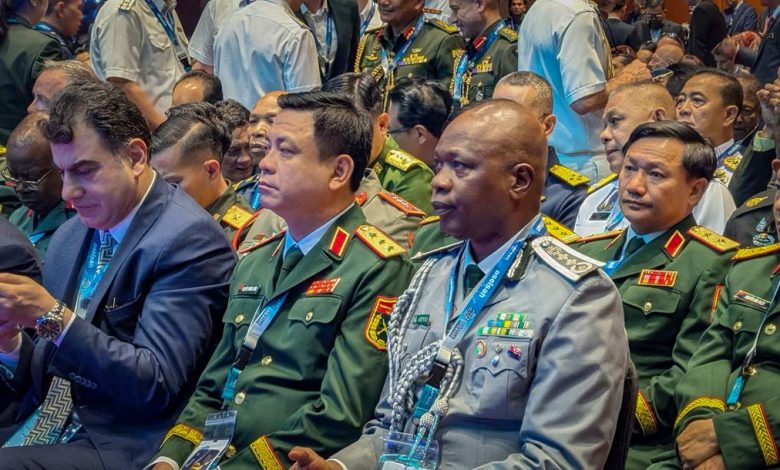
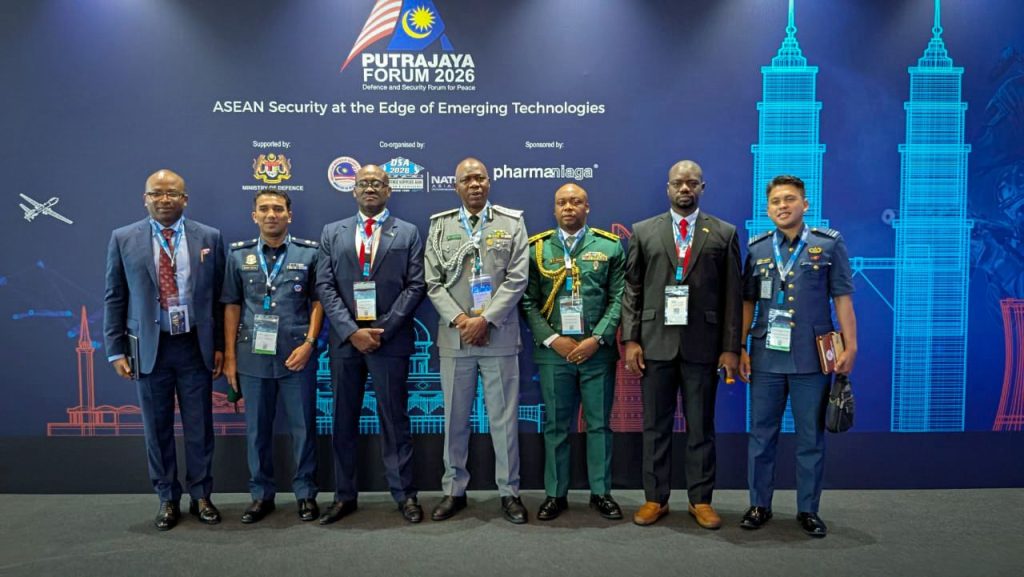
The Nigeria Customs Service (NCS) has once again underscored its role in global security cooperation, as the Comptroller-General of Customs, Adeniyi, participated in the 19th Defence Services Asia Exhibition and Conference (DSA 2026) in Kuala Lumpur, Malaysia.
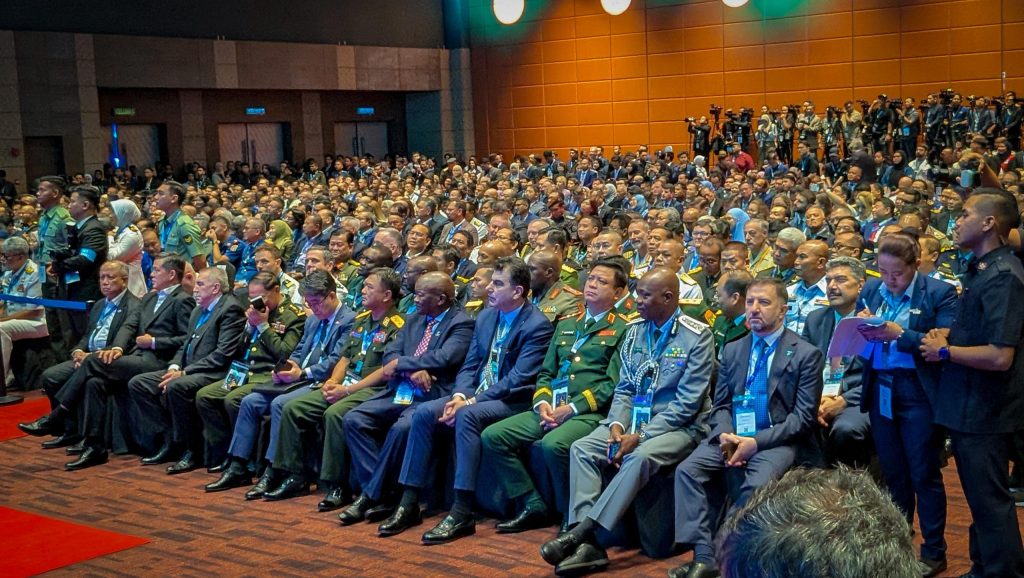
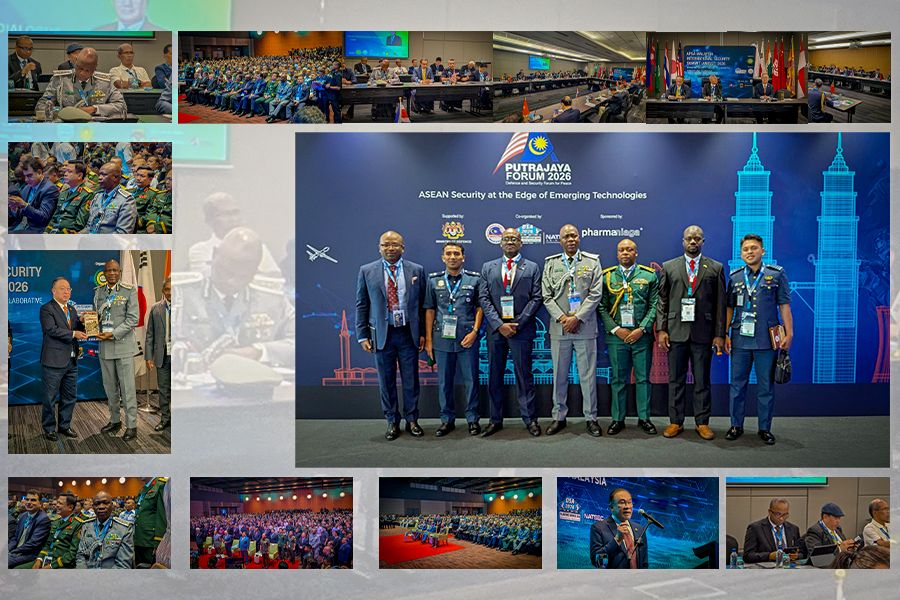
The high-level engagement, which took place on Tuesday, 21 April 2026, at the Malaysia International Trade and Exhibition Centre (MITEC), bringing together over 1,400 companies and key stakeholders across defence technology, electronic warfare, and homeland security, was declared open by the Prime Minister of Malaysia, YAB Dato’ Seri Anwar Ibrahim.
Speaking as a Special Guest at the Police–Private Security Dialogue on Cross-Border Crime and Transnational Networks, Adeniyi emphasised the urgent need for coordinated global responses to emerging security threats. The session, convened under the Asia Pacific Security Association Malaysia International Security Summit (AMISST) 2026, brought together security leaders from 14 countries across Asia and the Pacific.
“The nature of crime has evolved beyond borders, requiring enforcement agencies to move from isolated responses to coordinated global action. Collaboration is no longer optional; it is the foundation of effective security,” Adeniyi stated.
He highlighted the growing sophistication of transnational criminal networks, noting that activities such as narcotics trafficking, wildlife crime, financial fraud, and terrorism financing are increasingly interconnected. According to him, enforcement strategies must reflect this reality through intelligence sharing and joint operations.
Drawing from the Nigeria Customs Service experience, the CGC outlined a three-pillar approach focused on technology adoption, institutional collaboration, and capacity building. He stressed that modern enforcement requires advanced tools and skilled personnel capable of responding to emerging crime typologies.
“We must invest in technology, strengthen partnerships, and continuously build the capacity of our officers to stay ahead of criminal networks that are constantly evolving,” he said.
Adeniyi also referenced the World Customs Organisation (WCO) frameworks, noting that these instruments provide critical guidance to member administrations in tackling cross-border crime. He added that criminal patterns originating from different regions have global implications, reinforcing the need for collective international action.
Participants at the dialogue identified common challenges facing enforcement agencies, including limited workforce, outdated tools, and the rapid advancement of technology-enabled crime. There was a shared consensus that criminals are increasingly coordinated, necessitating stronger collaboration among governments, international organisations, and private security stakeholders.
To this end, stakeholders called for enhanced intelligence gathering, deeper engagement with communities, and sustained partnerships with global agencies such as INTERPOL. The emphasis, they noted, must be on building trust and ensuring seamless cross-border cooperation.
On the sidelines of the conference, the CGC held bilateral engagements with customs administrations from the Asia-Pacific and the Americas to deepen operational partnerships and knowledge exchange.
He reaffirmed the Service’s commitment to strengthening collaboration with international security networks across Asia, Europe, and the Americas, noting that such partnerships are critical to securing borders, protecting national economic interests, and supporting the integrity of the global trading system.