Customs Intensifies Excise Compliance Drive, Targets ₦400bn Revenue in 2026

Author: Lucy Nyambi & Ifunanya Ogbodo.
The Nigeria Customs Service (NCS) has intensified efforts to strengthen excise compliance and enhance revenue generation as part of its drive to achieve the Service’s ₦400 billion excise revenue target for 2026.
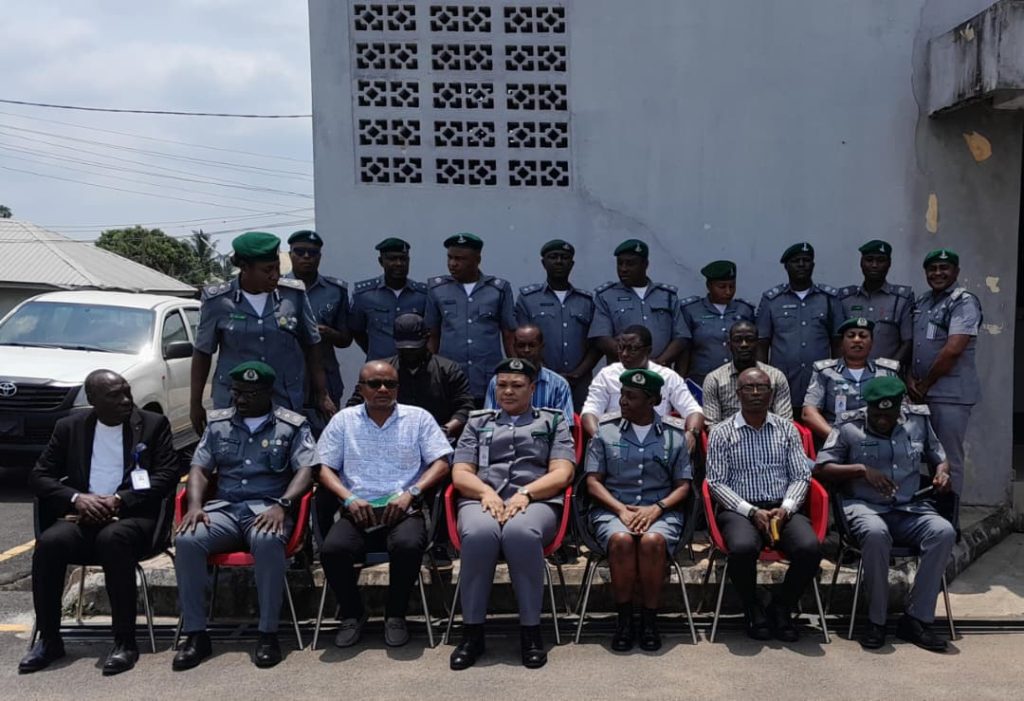
This formed the focus of a series of stakeholder engagements organised by the Service’s Excise, Free Trade Zone and Industrial Incentives Department during visits to the Imo/Abia and Oyo/Osun Area Commands.
During a stakeholders’ engagement at the Imo/Abia Area Command in Owerri, discussions centred on improving compliance with excise regulations and addressing operational challenges affecting excise factories.
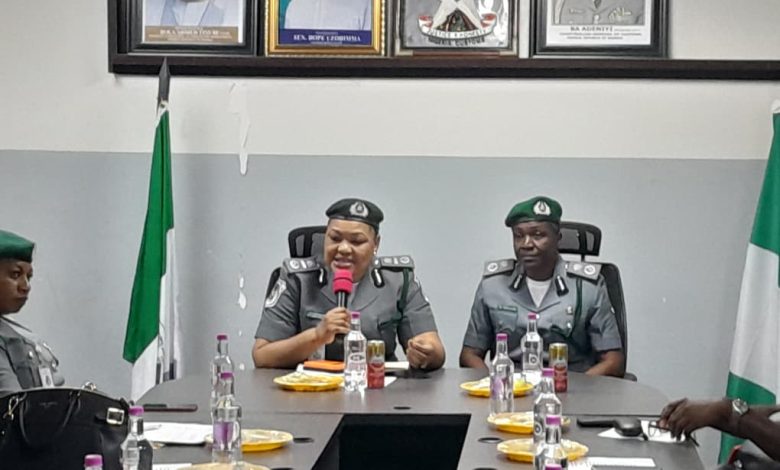
According to a statement issued on 9 April 2026 by the Command’s Public Relations Officer, Superintendent of Customs Nnamdi Aligwekwe, the Assistant Comptroller-General (ACG) in charge of Excise, Free Trade Zone and Industrial Incentives, Joy Edelduok, stated that the Service is targeting ₦400 billion in excise revenue for 2026.
Reaffirming the Service’s commitment to achieving its revenue target, the ACG emphasised that the Service’s leadership remains confident of meeting and surpassing the ₦400 billion benchmark through improved compliance and sustained stakeholder engagement.
“The Comptroller-General of Customs Adewale Adeniyi believes we have the capacity to meet and surpass the 2026 excise revenue target,” she stated.
The Customs Area Controller (CAC) of the command, Comptroller Blessing Iheanacho, disclosed that the command currently oversees nine excise factories, which are presently non-operational due to prevailing economic constraints.
She expressed optimism that the engagement would yield practical solutions to support the revival of excise factories and strengthen collaboration between excise traders and the Nigeria Customs Service.
The CAC also commended officers serving at various excise factories for their resilience and dedication, particularly for leveraging the Excise Register System to block revenue leakages and ensure accurate revenue collection.
The statement further noted that some operators, including the Nigerian Bottling Company, have demonstrated commitment to compliance through voluntary remittances in line with extant laws.
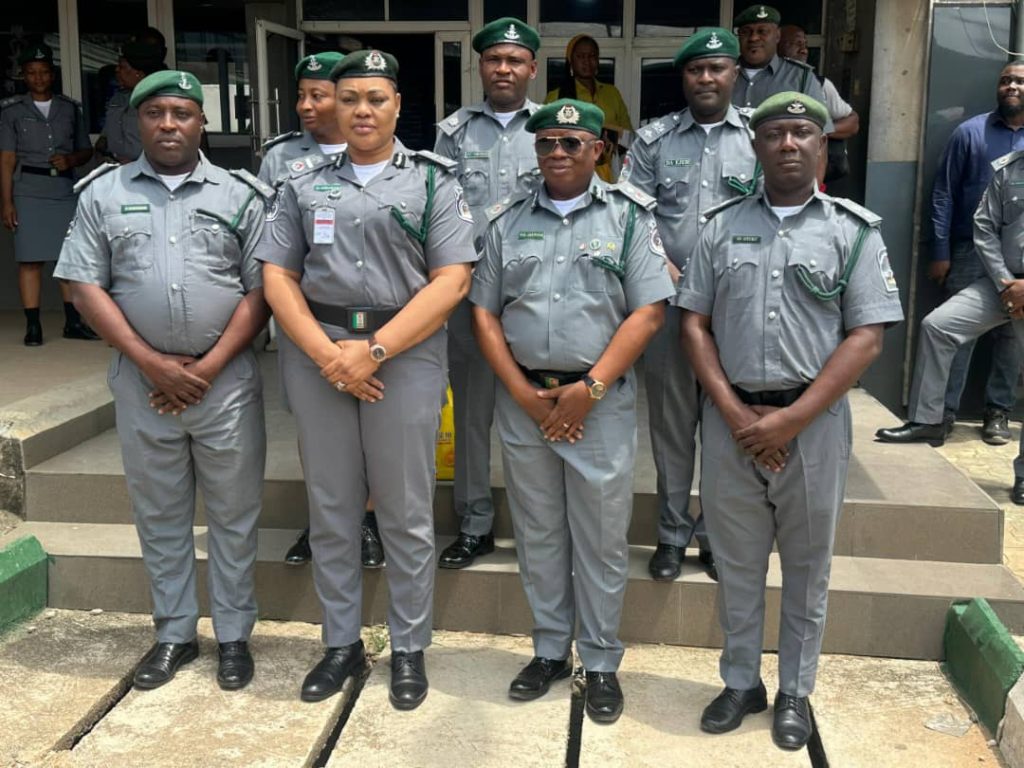
Similarly, during an engagement with excise traders and other stakeholders at the Operational Headquarters of the Oyo/Osun Area Command, the Service reiterated the importance of compliance in strengthening excise administration.
In a statement issued by the Command’s Public Relations Officer, Assistant Superintendent of Customs I Abdulmalik Akintola, the engagement highlighted the critical role of excise factories in driving government revenue and sustaining economic development.
The ACG commended excise operators for their adherence to regulatory requirements and urged them to sustain the momentum by supporting the Service’s efforts to meet and surpass its revenue targets.
She also praised the Oyo/Osun Area Command for its strong performance in excise revenue collection, noting that the command contributes about one-third of the Service’s overall excise revenue.
In his remarks, the Acting Customs Area Controller of the command, Deputy Comptroller Moses Adewole, described the stakeholder engagement initiative as a vital platform for strengthening dialogue and collaboration between the Service and industry operators.
The engagements formed part of the Service’s broader strategy to deepen compliance, enhance transparency, and strengthen partnerships with industry players in the administration of excise duties.