
Customs, NiDCOM Forge Strategic Partnership to Boost Diaspora Engagement

Author: Bimpe Audu.
The Nigeria Customs Service (NCS) has reinforced its leadership in inter-agency cooperation with the Nigerians in Diaspora Commission (NiDCOM), signalling a proactive institutional push to strengthen engagement with millions of Nigerians living abroad.
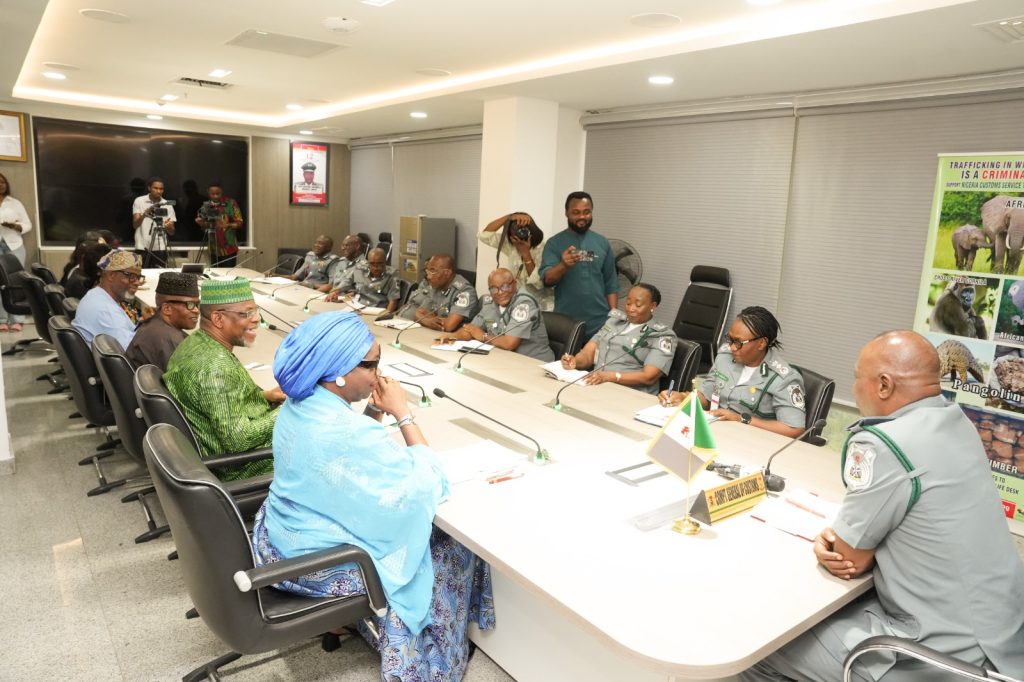
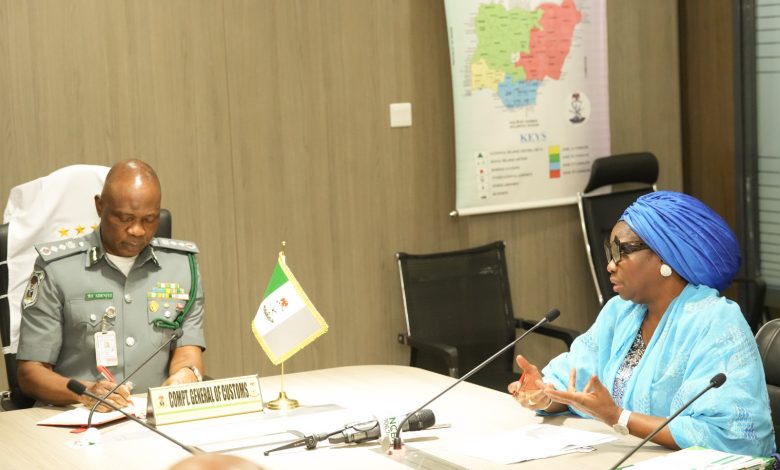
This strategic direction came to the fore during a high-level meeting on Wednesday, 25 February 2025, at the Service’s Headquarters in Abuja, where Abike Dabiri-Erewa led a delegation to congratulate the Comptroller-General of Customs, Adewale Adeniyi, on his appointment. The visit, the first formal interface between both agencies under the current Customs leadership, quickly evolved from a ceremonial engagement into a policy-focused dialogue on collaboration, trade facilitation, and diaspora inclusion.
In her remarks, Dabiri-Erewa commended the Service’s improving public image and operational reforms while stressing the importance of sustained institutional synergy.
“We commend the Nigeria Customs Service for its reforms and growing public confidence. Strengthening our collaboration will make it easier for Nigerians abroad to contribute meaningfully to national development, especially through medical, humanitarian, and investment-related shipments,” she said.
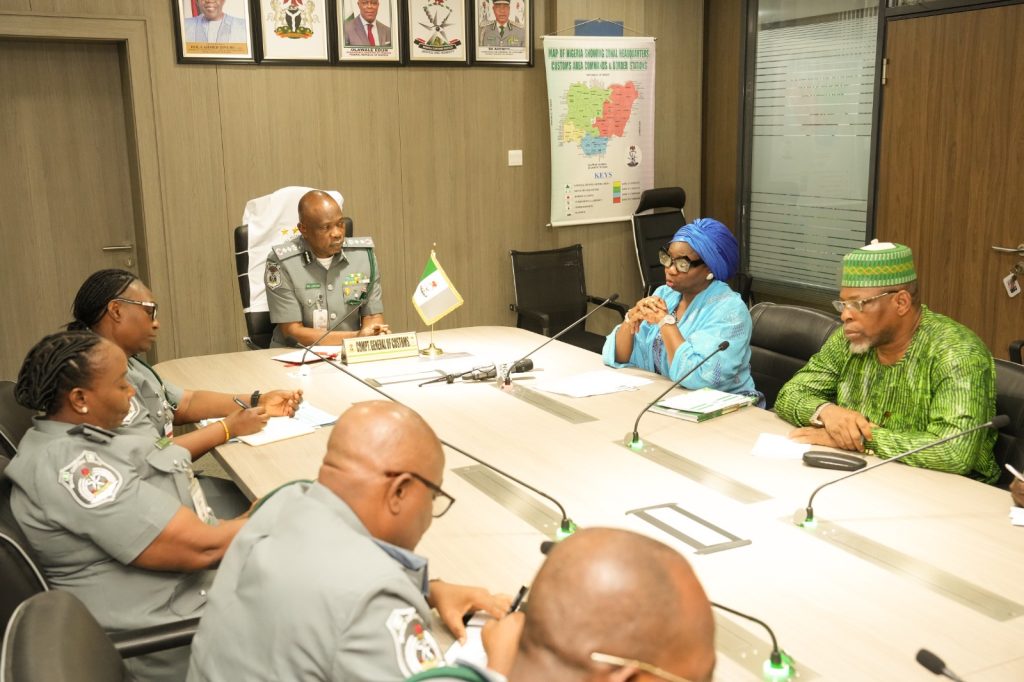
Responding, the Comptroller-General reaffirmed that collaboration remains central to the Service’s modernisation and national mandate.
“Our partnership with sister agencies like NiDCOM reflects our institutional commitment to collaboration as a strategic tool for national development. We are determined to build structured engagement platforms that will ensure Nigerians in the diaspora enjoy seamless Customs processes, particularly in areas of legitimate trade and humanitarian support,” he stated.
To translate commitment into measurable outcomes, the CGC proposed structured engagement mechanisms, including periodic stakeholder forums such as “Customs Talks,” designed to institutionalise communication and sustain policy coordination. He also approved cross-training initiatives for officers to deepen institutional understanding of diaspora-related policies and improve service delivery.
Discussions further highlighted the need for policy innovation, particularly a review of duty frameworks affecting humanitarian imports. The Customs boss noted that evolving economic and social realities require adaptable policies that balance revenue objectives with trade facilitation and national interests.